Collected Works of Foundational Black Britons (FBBs) by Dr Marie Charles:

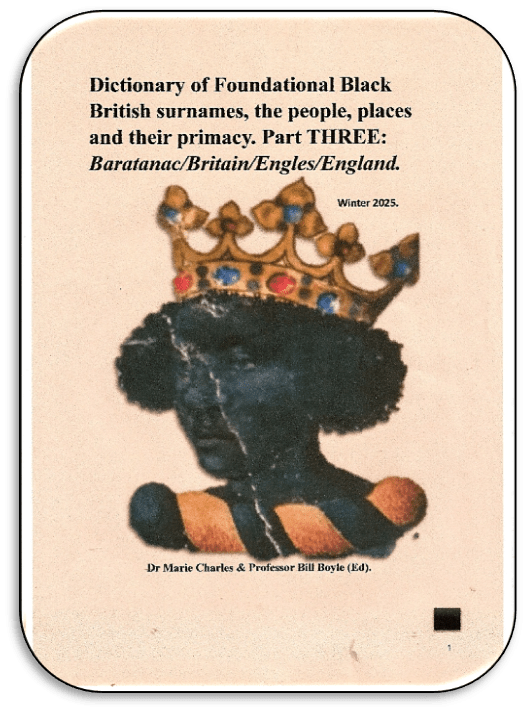
Sample text from Dictionary Part 3:

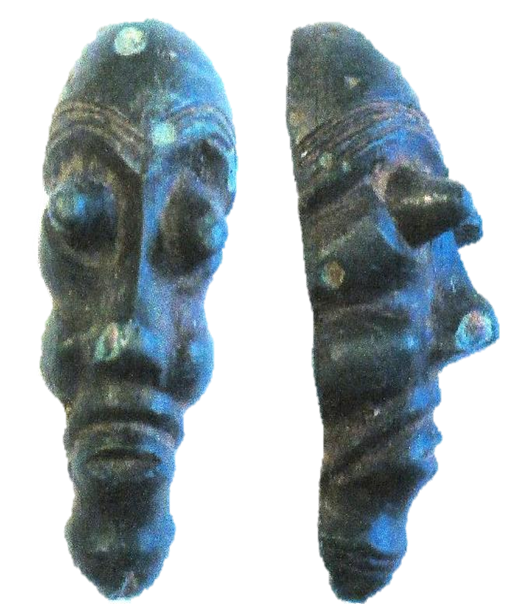
The research disciplines of archaeological and anthropological corroboration intersect with onomastic evidence in the powerful region of ancient Derbyshire through the skeletal remains of the aboriginal populations and the cave carving of a 13,000-year-old ibis bird as material culture to connect them with their global FB kinfolk. We have evidenced that Edward the Confessor owned land in West Derby, Liverpool, which is 79 miles from Derbyshire, as documented in the Dictionary Series Part Two and this was the home of the saintly abbot, Anthony, whose wooden figure is documented in this edition. Additional evidence from Abbreviatio Domesday displays a Foundational Black Britain from Derbyshire as a landowner circa 12th century. Haddon Hall provides the reader with the faces of the owners of this original country abode and their links with the dukes of Rutland and the Vernon lineage as an elite family connected to the internal operations of the exchequer. The renowned Master of the Horse, William Darby, has his onomastic roots in both Norfolk, his actual birthplace, and then Derby/Darby as the geographical region secures his roots“.

Read about the true history that has been hidden and concealed over time in every MFIT publication.

https://www.amazon.co.uk/Dictionary-Foundational-British-Surnames-primacy/dp/B0F1K9WXF2

Brought to you by the Missing Faces In Teaching.

What is the historical provenance for Charles III?

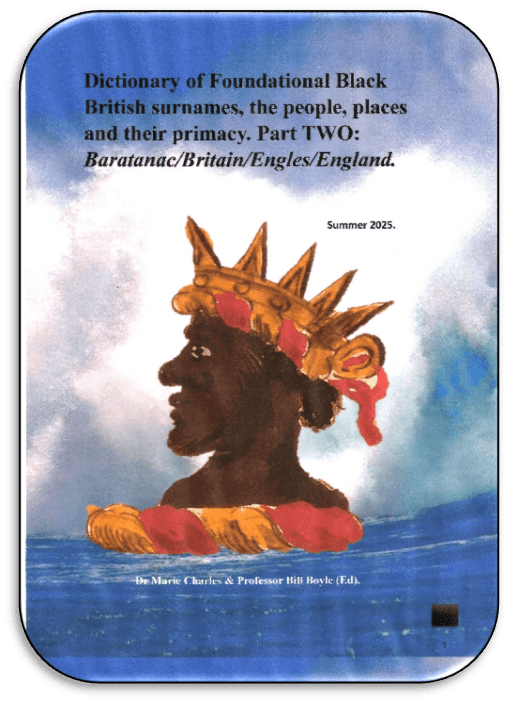
The Dictionary of Foundational Black British Surnames, the people, places and their primacy Parts TWO & THREE evidence that there is NO connection to the ancient bloodline of Charles I & II. Nor to the continental rulers Charles IV, V, VI & VII…

Available now at Amazon: https://www.amazon.co.uk/Dictionary-Foundational-British-Surnames-primacy/dp/B0FX2L14QF

Brought to you by the Missing Faces In Teaching.

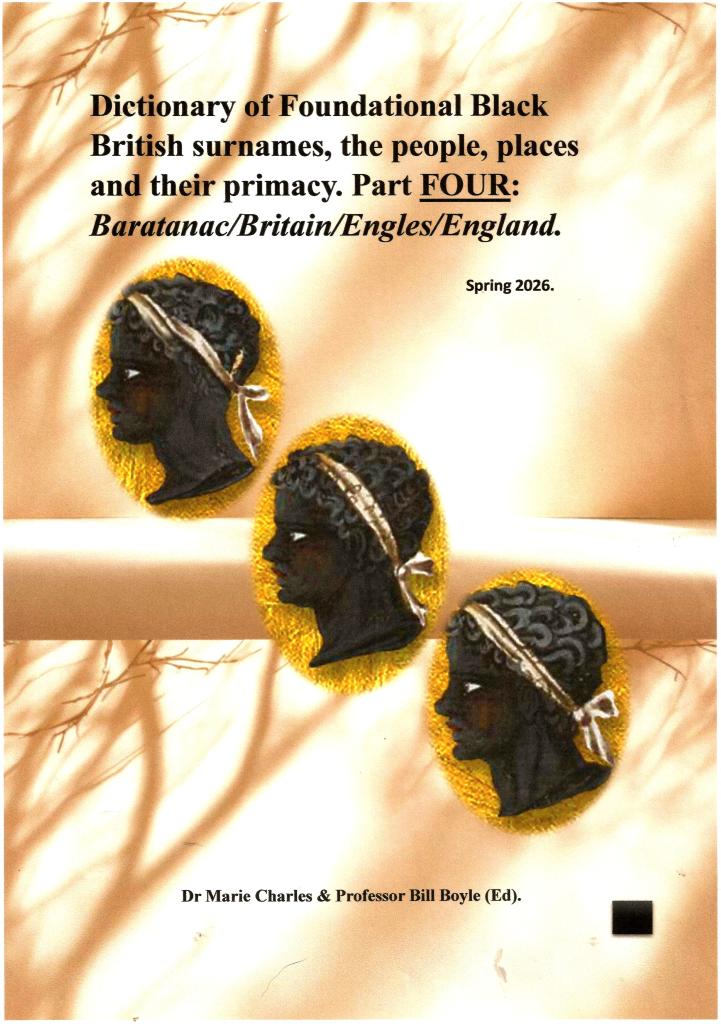
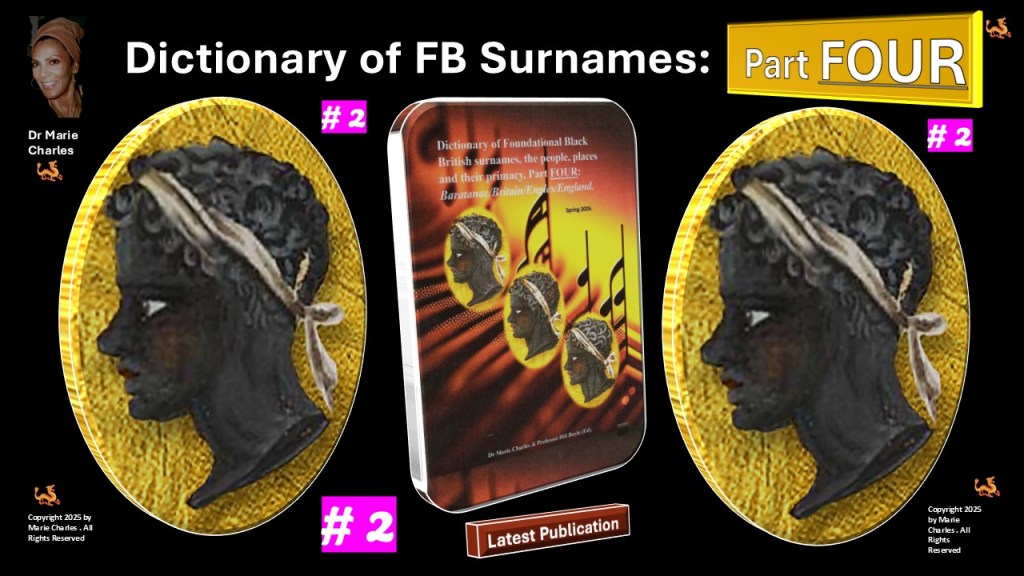
NEW EDITION NOW AVAILABLE: Part THREE of the Dictionary of Foundational Black British Surnames…

The onomastic evidence documents King Canute’s connection to the FB Pusey family (along with the ancient origins of this name), while King Charles VII and his father King Charles VI are presented for the first time in this edition, as the true heirs of this royal nomenclature.

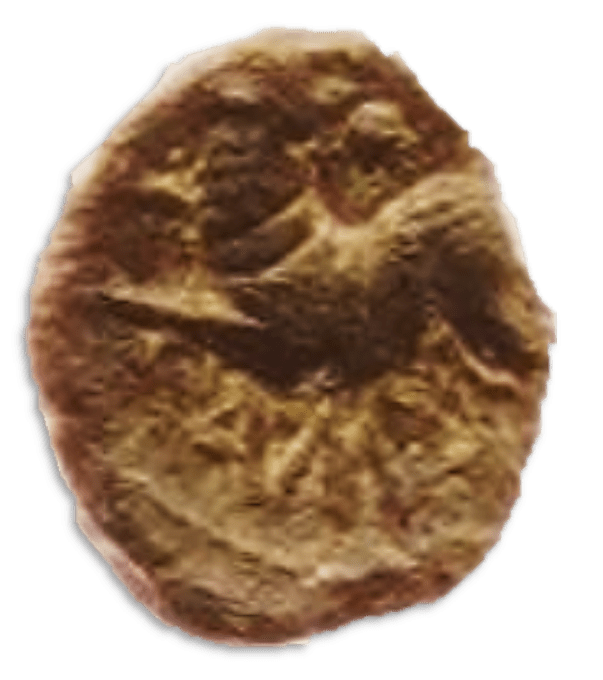
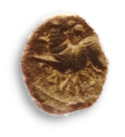
Part three of the Dictionary Series takes the reader into several European countries and multiple UK counties in utilising the research methodologies of onomastics, sigillography, numismatics and historical literature to identify and secure the understanding that Black people do not have slave names. The plethora of primary source documentation provides for the first time the many  windows and landscapes into a ‘new historiography of experience’ (Asante, 1999).

Pick up a copy today…https://www.amazon.com/gp/product/B0FX93FNG5?ref_=dbs_m_mng_rwt_calw_thcv_3&storeType=ebooks

Brought to you by the Missing Faces In Teaching.

William Conqueror’s grandson: Henry of Blois coming soon…

Read about his Foundational Black lineage in the Dictionary Part Two to support a reframed understanding of history. Part Three coming soon… (image shows one of Henry’s Shachor angels, full image of Henry in Part Three).

Brought to you by the Missing Faces In Teaching.

Master Teacher Professor Kaba Kamene On the Dictionary Series…

“Hotep and Peace Sister Dr Marie Charles and Dr Brother Bill Boyle, congratulations on all the great work you are doing. Your dictionary system is genius in its conception and objective. The connection of the origin of names offers evidence beyond challenge. Your research of Melanated Africans demonstrates the presence of Foundational Black Britons in Europe in the ancient as well as modern in UK. Keep on Keepin’ on”.

https://www.amazon.co.uk/Dictionary-Foundational-British-Surnames-primacy/dp/B0F1K1YGRX

It is truly an honour and privilege for one of our greatest minds in education to have read and then speak about the Dictionary of Foundational Black British Surnames.

Dua Duau Professor Kaba.

Brought to you by the Missing Faces In Teaching.

The First People in Holland were Black…

The National Museum of Antiquities (2023) stated: “The genes for Black skin have also been found in primeval bones from Norway, Denmark and Luxembourg. And now this has been demonstrated for the first time with genetic evidence for the Dutch material. Why is it important? Because it helps to see that there is NOT a primordial white population in Europe”.

Therefore, we present evidence that King William III (William of Orange) was Black. Documented in Part 3 of the Dictionary Series coming soon.

Brought to you by the Missing Faces In Teaching.