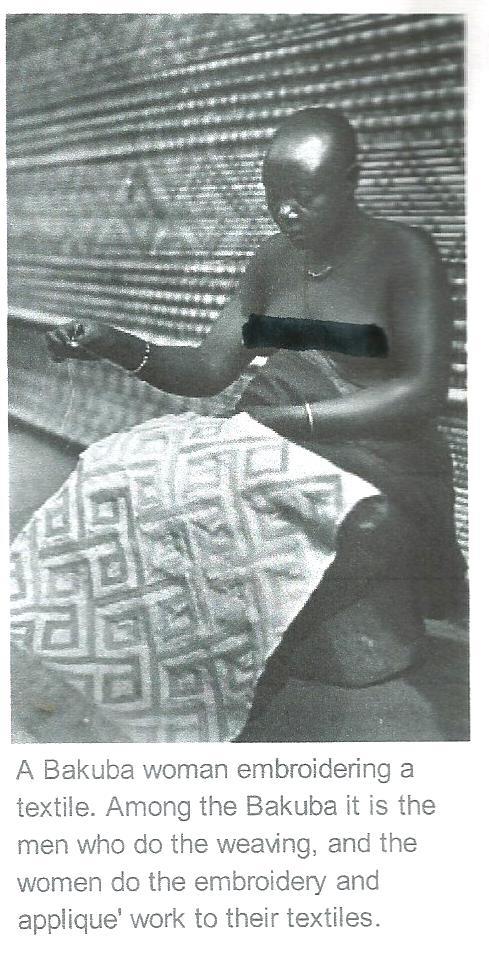
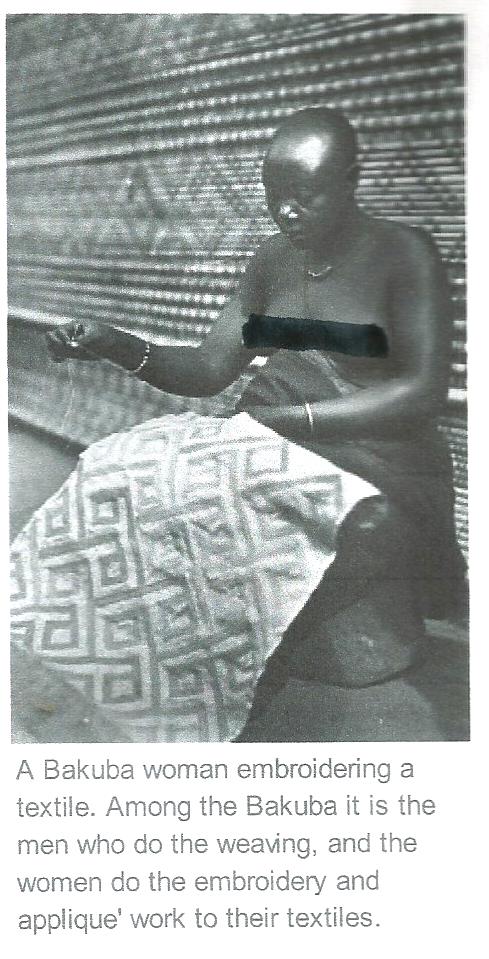
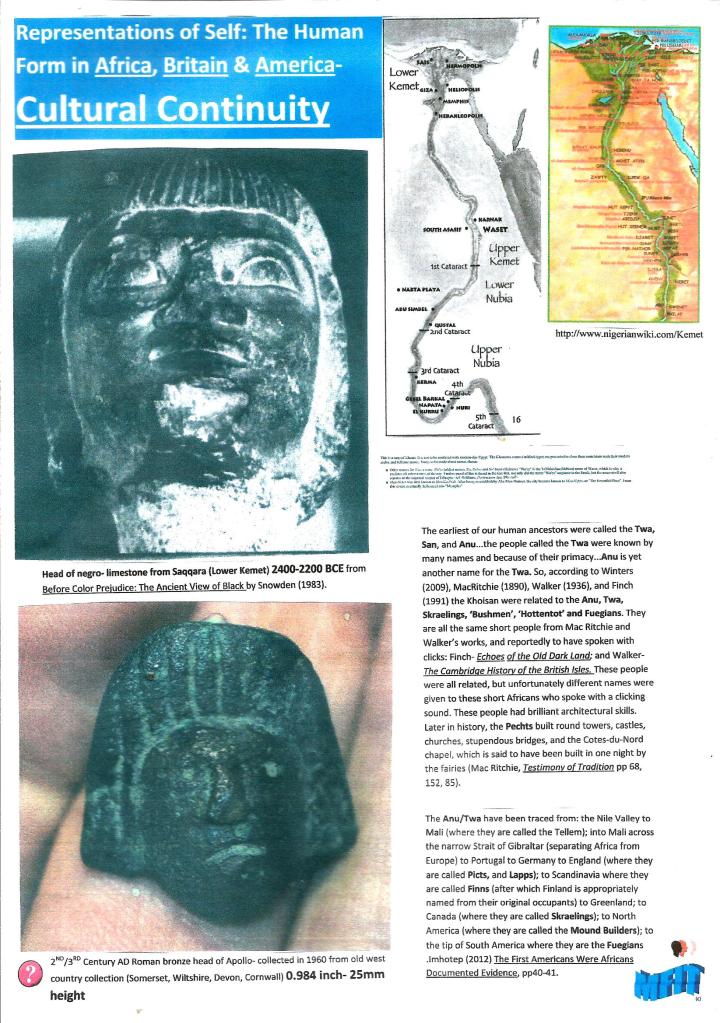
Look on the back wall- inverted right angles are deep, esoteric ancient African symbols.
Carved figure from Norway, and yes…Norway was Black…read Al Amin (1998) True Myth: Black Vikings of the Middle Ages; Dr David Imhotep (2013) The First Americans were African; Gwyn Jones (1968) A History of the Vikings; Dr Charles &Professor Boyle (2021)Moorish Britain: What your school will never teach you(Issues # 2 & 3)
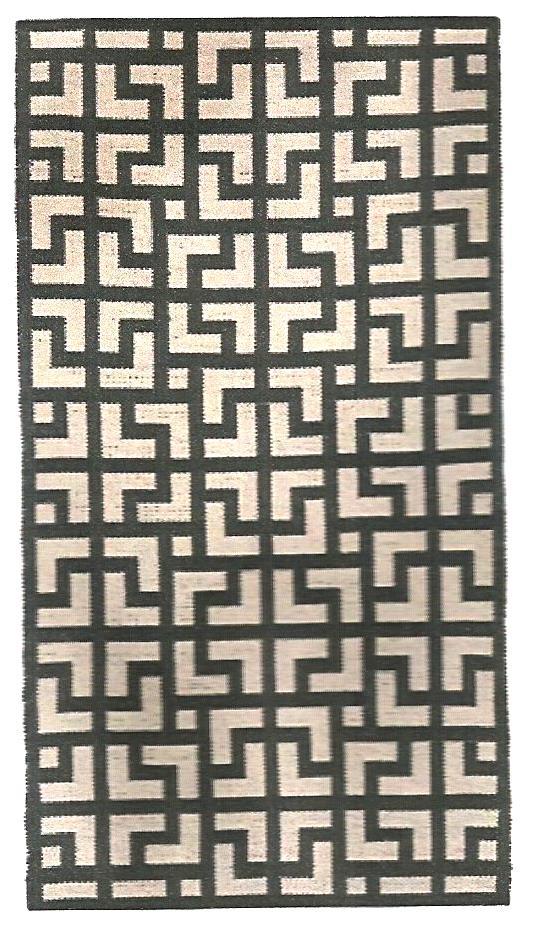
This Kelly Hoppen rug sells for £110 on QVC
Know your history…Know who you are…Sankofa our stuff..
Look on the back wall- inverted right angles are deep, esoteric ancient African symbols.
Carved figure from Norway, and yes…Norway was Black…read Al Amin (1998) True Myth: Black Vikings of the Middle Ages; Dr David Imhotep (2013) The First Americans were African; Gwyn Jones (1968) A History of the Vikings; Dr Charles &Professor Boyle (2021)Moorish Britain: What your school will never teach you(Issues # 2 & 3)
This Kelly Hoppen rug sells for £110 on QVC
Know your history…Know who you are…Sankofa our stuff..
Read: MFIT’S new Magazine publication ‘Missing Faces In Teaching‘ to learn all about what your school will never teach you including suppressed history. Contact the team at MFIT: https://mfit.productions for more information.
Dr Marie Charles’s “Black Women Leading from the front” keynote; see more on https://mfit.productionsFull colour presentation available to read on website!
Special thank you to Annette Hay at Coventry University for hosting this session.
Trevor Phillips reports [4 February] that there are NO Black Chief Executives, Chairs nor Finance Chiefs at any FTSE 100 Company. Trevor Phillips’ quote: ‘The snowy peaks of British business remains stubbornly white’ is a longstanding situation which is not improving. Back in 2012 my research team collected evidence in the city of Liverpool on the employment percentage and status of the city’s Black working population. Our resultant Report was published as ‘In My Liverpool Home: an investigation into the institutionalised invisibility of Liverpool’s black citizens’. Our report evidenced minimal representation of the Black community in the city Council’s work force including its schools’ teaching staff. Analysis of those data evidenced an almost total absence of Black employees in senior leadership in the Council and its schools’ management cohorts. In 2021, our Many Faces In Teaching research organisation is still supporting Black stakeholders – children, parents, families through all ranges of the employment system to overcome the institutionalised resistance to Black advancement to which Phillips refers.
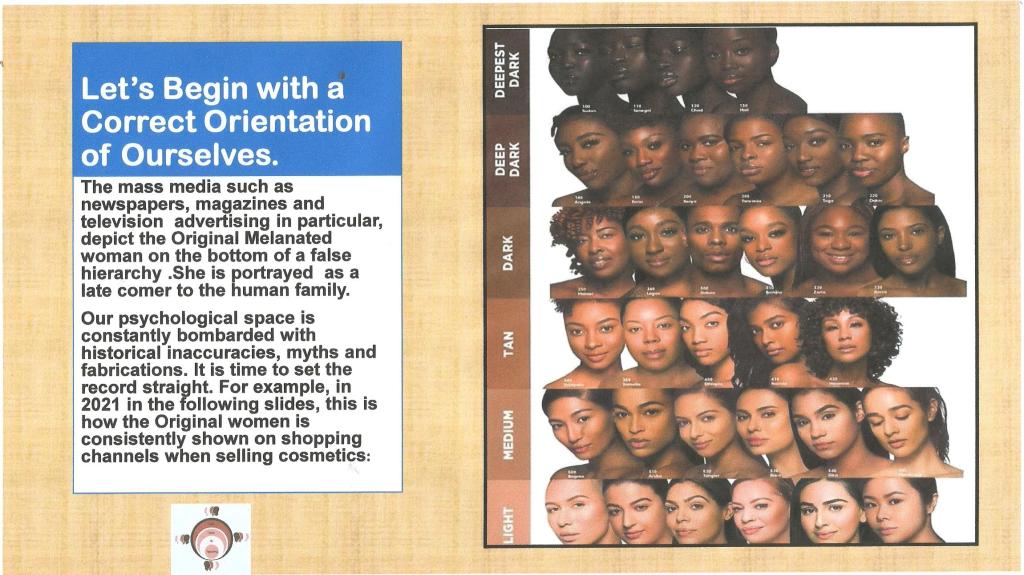
Turn on the television at any time of the day and you will find a plethora of hair adverts for women and men whose hair texture is NOT afro in origin or appearance. Currently in the UK there are ZERO TV adverts which focus positively and exclusively on cleansing and shampoo rituals, hair products or general styling traditions for Global Majority people. Yes, that’s right, the Melanated family are a majority and not a minority. The media like to perpetuate our invisibility daily with such an illusion. We are bombarded with images from multi-billion pound hair care industries which showcase a dominant hair type that has zero relevance or relatability to natural, kinky, afro crowns. Is this a trivial and over-hyped issue? Well, let’s look at the evidence:
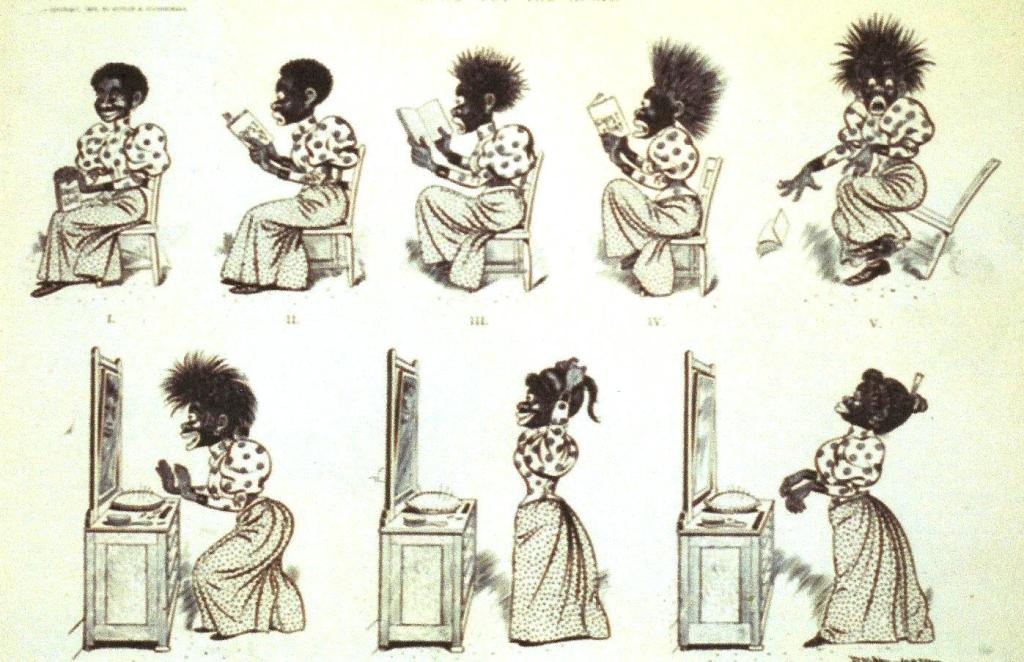
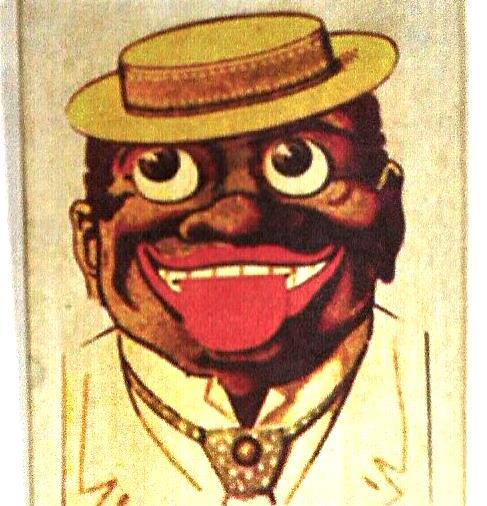
‘TAKING OUT THE KINKS’ Engraving by Keppler & Schwartzmann after drawing by F.M. Howarth (1985). Licensed by CC-BY-SA-3.0Photo credit: https://blackhairinformation.com.Licensed by CC-BY-SA-3.0
Sandra and her guest were reviewing a Dooney & Bourke handbag and as soon as the camera went onto the model, Sandra was heard saying: “You might look back and think, ‘Why’d I wear my hair like that? but you’ll still like yourpurse“. To which the guest replied: “That’s right, you won’t look at your hair in the picture- you’ll look at your handbag“.
Ruby Williams: No child with afro hair should suffer like me
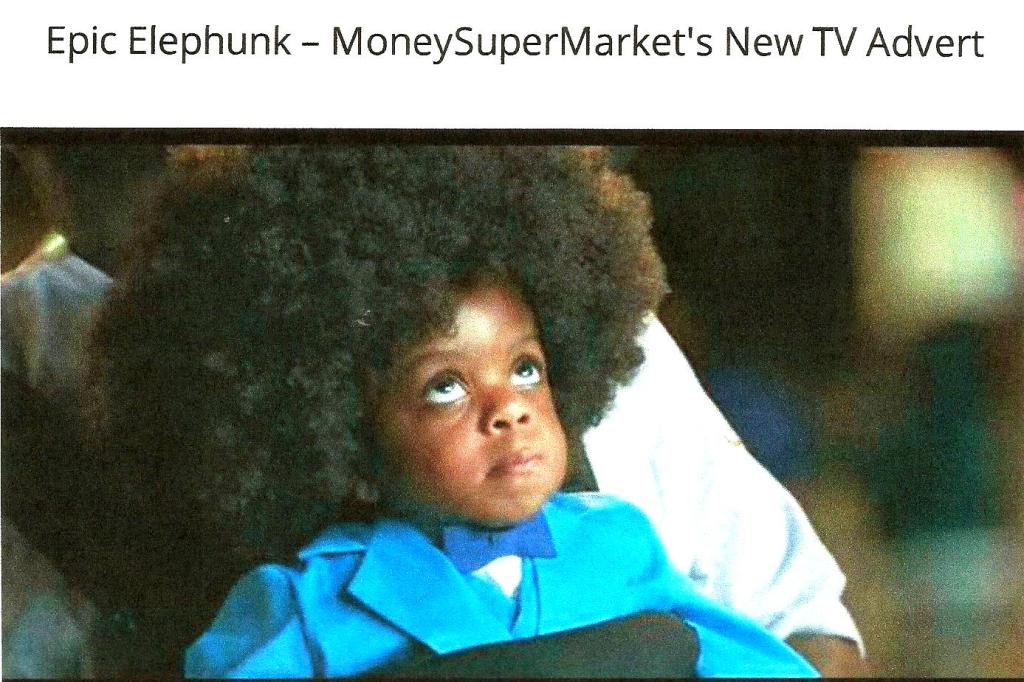
Notice how the little boy has been deliberately dressed up in a suit, dicky bow and exaggerated afro hair style just like the racist caricature of the Golliwog in Florence Upton’s The Adventures of Two Dutch Dolls (1895). In the latest ‘Bingo like a boss’ advert let’s look how Afro hair is being portrayed in 2021:
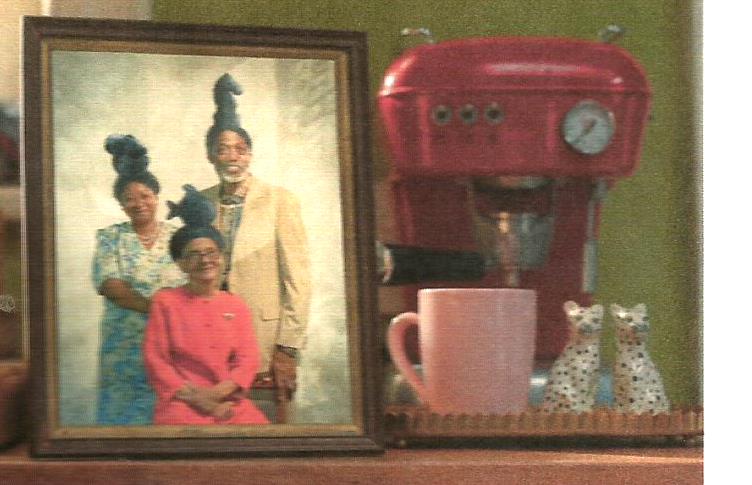
Here,we are presented with a family portrait which platforms the nonsensical depiction of afro hair styled as animals. We then view ‘Gloria’ through a sequence of shots cutting her boyfriend’s hair with no attention, care or respect for the outcome. This advert not only mocks the distinctive texture of afro hair, i.e. that it can be formed, and shaped simply because of its uniqueness and beauty and is the strongest in terms of tensile strength and the amount of water it can hold (Afrocenchix, 2018, p.2). But this advert, fetishizes afro hair for entertainment, gross caricatureandwith a deliberate contamination of ancient traditions and understanding of the animal domain.
It is time that we understand the importance of our history and how it cultivates the truth of who we are, and how we carved our own adverts of self with its beauty and maintenance of afrohair.
Photo credit: Kushite-Kemetic Spiritual ScienceLicensed under CC-BY-SA-3.0Photo credit: https://www. pinterest.co.uk/. Female rule Kawit having hair braided from Deir el-Bahri, Kemet.Licensed under CC-BY-SA-3.0
So, remember the wise words of Listervelt Middleton: “Minute by minute, hour by hour, when you lose your history you lose your power. So sharpen your eyes and tune your ear so you’ll know what you see and understandwhat you hear“.
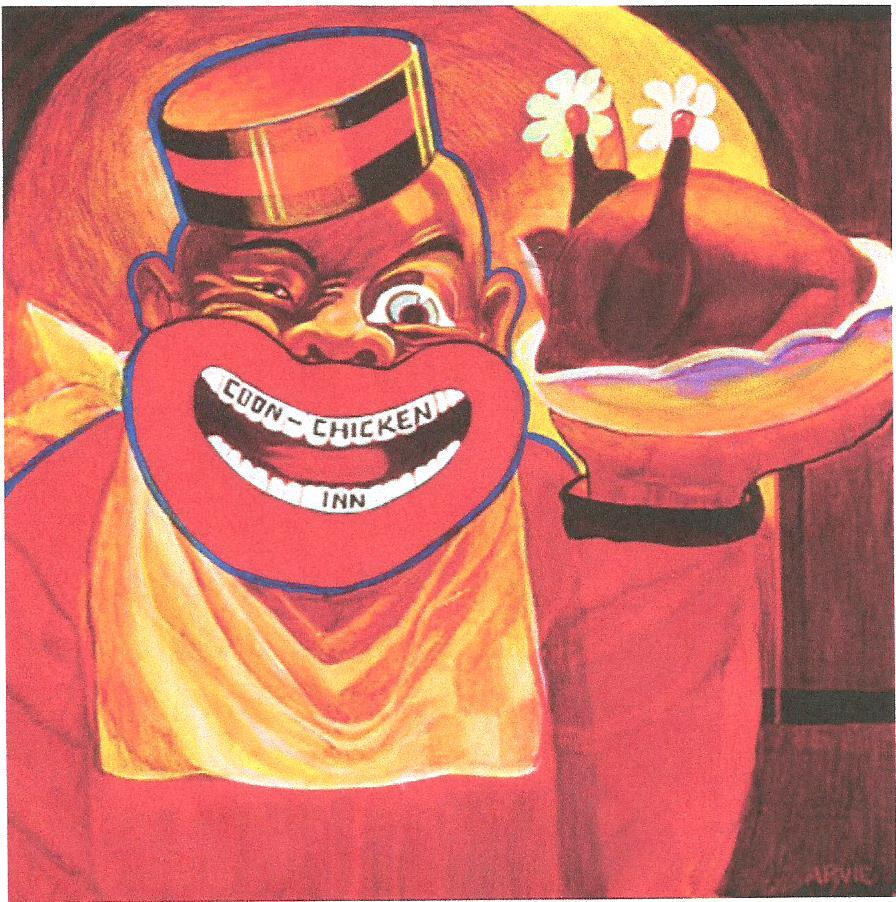
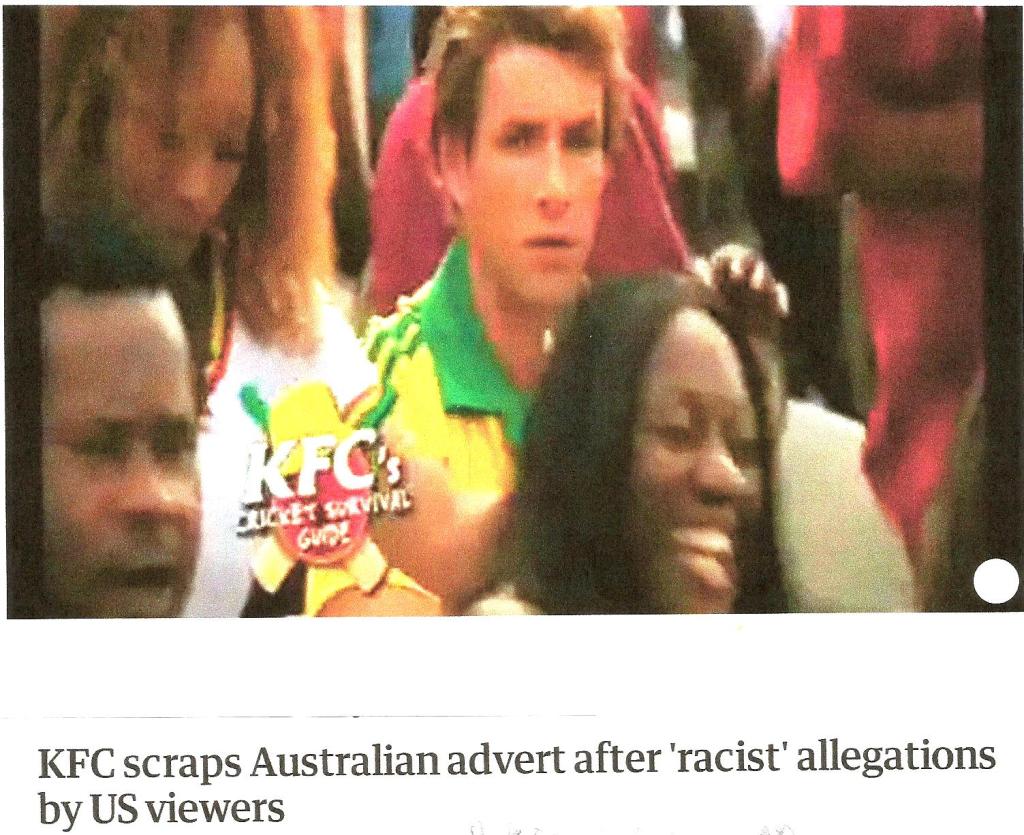
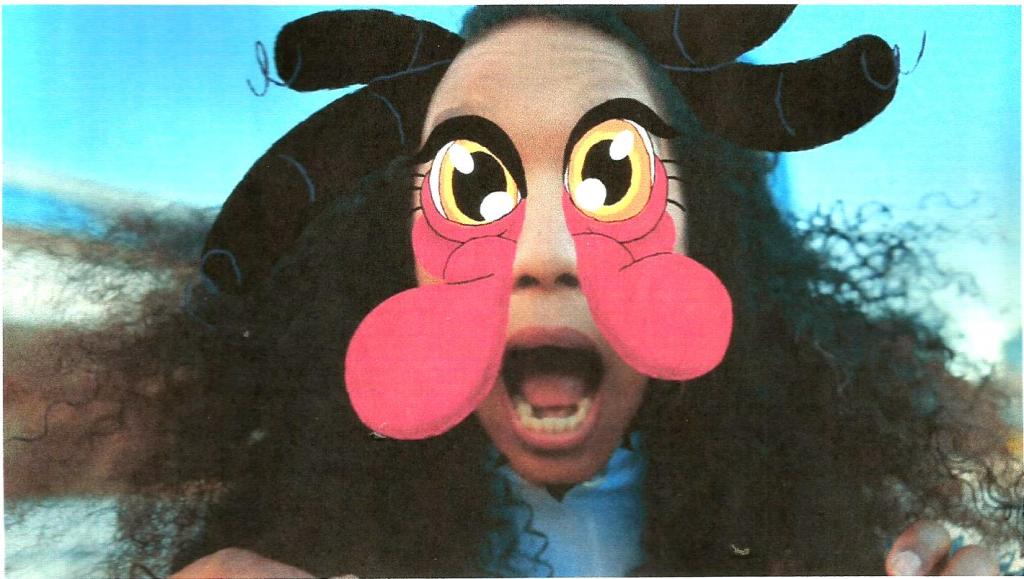
KFC tv ads currently running on UK screens in 2021 feature mostly Melanated people or so-called Black young men and women riding on their bikes or gyrating on the screen. Their faces are morphed into animated chickens with accompanying animal noises. Not so offensive? Well let’s look at the history of Black people and chicken.
Notice how the creators of the KFC advert campaign have used the colour red throughout these images. This works on several levels to disrupt yet relocate our focus onto the ‘swinging’ ‘pendulous’ and ‘red fleshy parts’ of skin on the chicken. This serves to symbolize the dominance and suggestion of lips, mouth…



















 Missing Faces In Teaching (MFIT)
You must be logged in to post a comment.